Close every CAPA before it closes a study
AQ CAPA is the structured system for managing findings, root cause analysis, corrective and preventive actions, effectiveness checks, and closure evidence — across every study, every sponsor, every regulator. Built for clinical research teams who need inspection-grade CAPA management without enterprise-grade implementation.
Open CAPAS - Live
14 OPEN · 3 OVERDUE
Why CAPA management breaks in clinical research.
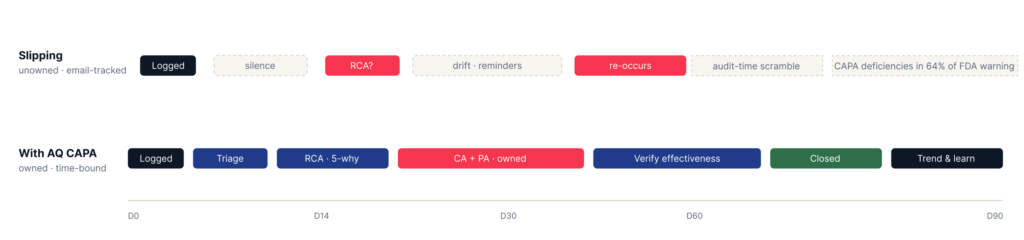
Most clinical research teams manage CAPAs in spreadsheets, Word documents, sponsor PDF templates, and email threads — across multiple studies, multiple sponsors, and multiple regulators. Findings get logged, deadlines slip, root cause analyses get rejected on first submission, and effectiveness checks never get scheduled. The same finding comes back at the next inspection because the closure was paperwork, not a fix.
Findings logged but not
always followed through
Three open CAPAs from last month's monitoring visits. Two more arrive in a different sponsor's format. Without a central view, every CAPA gets managed one panic at a time — until one goes overdue and the sponsor escalates.
Inconsistent
root cause analysis
A brief observation without knowing why the problems are occurring" is how the sponsor describes the RCA you submitted. The closure gets rejected. The deadline slips. The team reopens the response for the third time.
Limited evidence of
effectiveness
The CAPA was closed on activity — training completed, SOP updated. Then the same finding came back at the next inspection. The effectiveness check that would have caught it was never scheduled.
Difficult audit
reporting and trending
The inspector asks for 24 months of CAPA closure history. The QA lead has folders of emails, sponsor PDFs, and a tracker the last hire left behind. The numbers can't be reconciled in time.
From scattered findings to closed-loop quality.
AQ CAPA gives clinical research teams one structured system for the full corrective and preventive action lifecycle. Every finding gets a guided path: triage, root cause analysis, named action owners, deadline enforcement, effectiveness verification, and closure evidence. Built for clinical research, validated for inspection, and connected to the rest of the trial operations stack.
Structured CAPA workflow
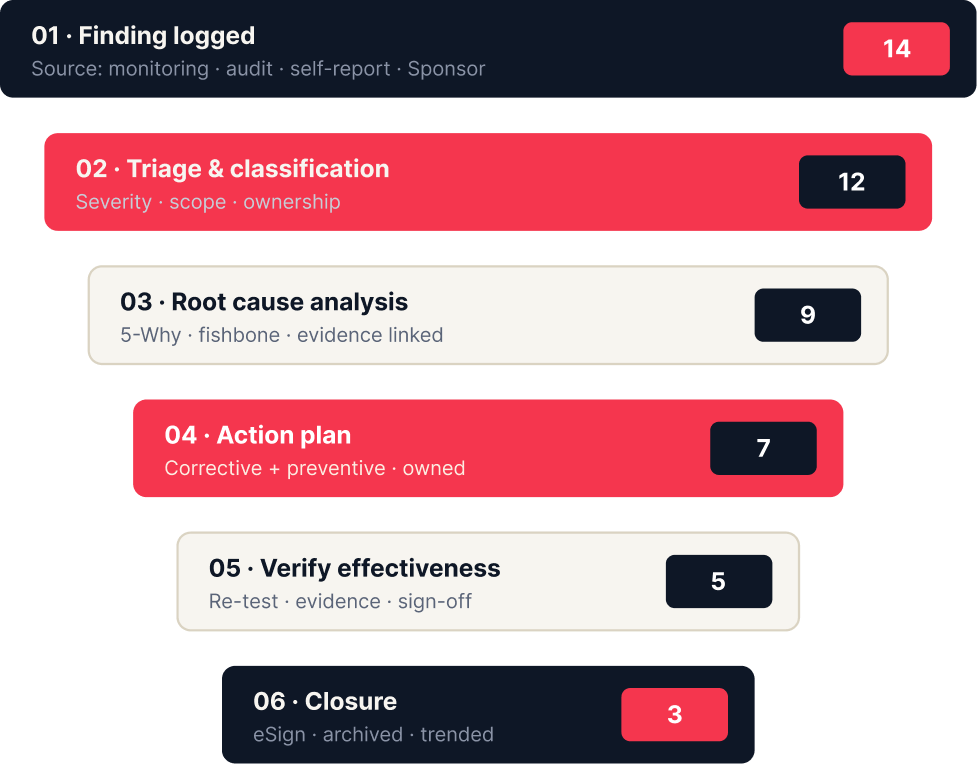
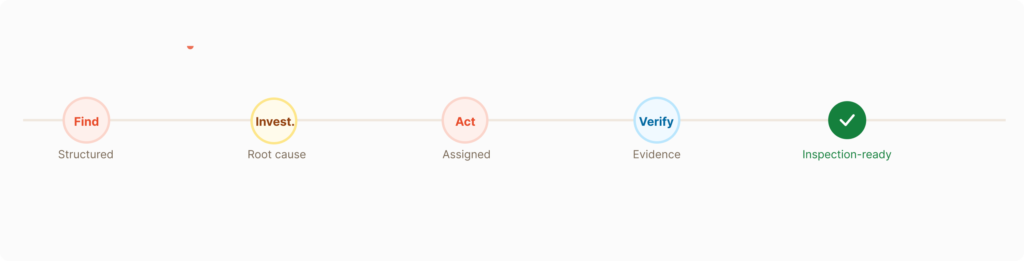
Every CAPA follows a guided pathway, including identification, classification, root cause analysis, action planning, verification, and closure. So, this way teams can ensure consistency across teams and studies.
Clear ownership and accountability
Every action has a named CAPA owner, a due date, and automatic escalation when it slips. The QA lead doesn't chase by email; the PI sees their assigned actions; leadership sees the portfolio.
Root cause analysis tools
The platform comes with built-in support for structured RCA techniques (such as 5-Whys and Fishbone diagrams) for empowering teams to investigate issues thoroughly rather than relying on surface-level explanations.
Effectiveness verification and trend insight
The piece every CAPA system fails at. Effectiveness checks are scheduled, evidenced, and visible. Repeat findings flagged automatically across studies — so you fix the system, not just the paperwork.
Core CAPA capabilities.
AQ CAPA equips clinical research teams with end-to-end functionality. Right from issue
identification to corrective resolution and preventive learning, the AQ CAPA solution
incorporates every functionality required to manage research findings effectively, with
clear traceability and inspection-ready evidence.
01 — DEVIATION MANAGEMENT
Finding and Recommendation Control
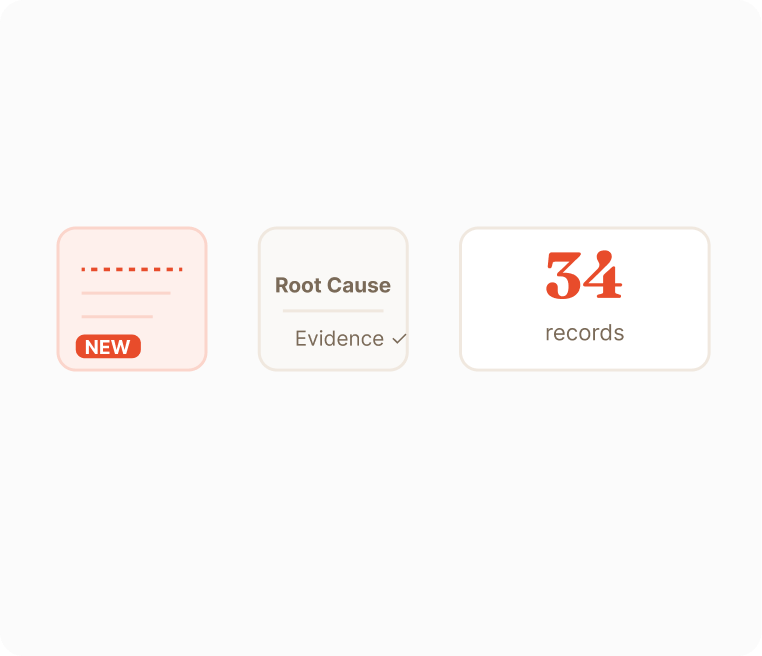
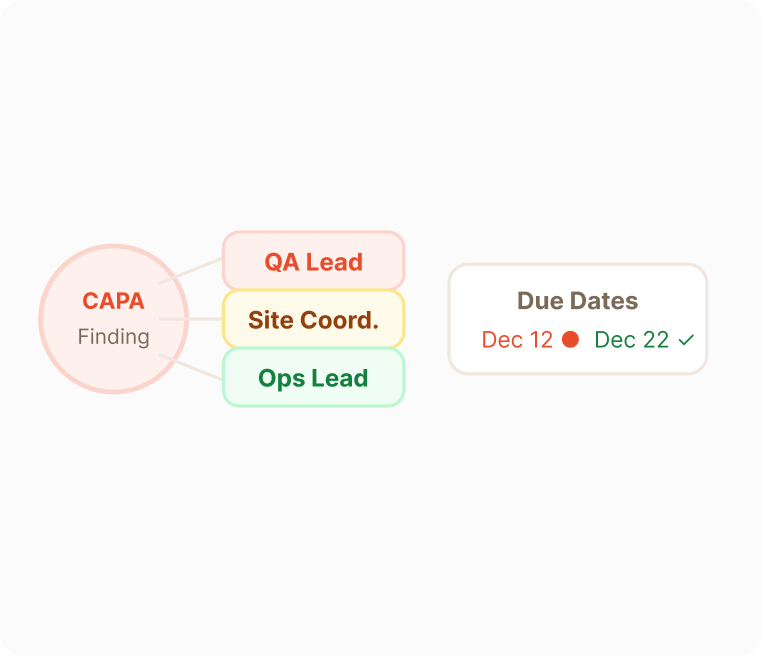
CAPA records capture deviations, audit observations, and quality events in one structured register. Investigation details, evidence, and root cause analysis remain attached to the same record.
02 — INVESTIGATION CONTROL
Action Ownership and Accountability
Every CAPA captures the source — study, sponsor, monitor visit, deviation reference — so the response can be regenerated in the format the requester expects
03 — MONITORING
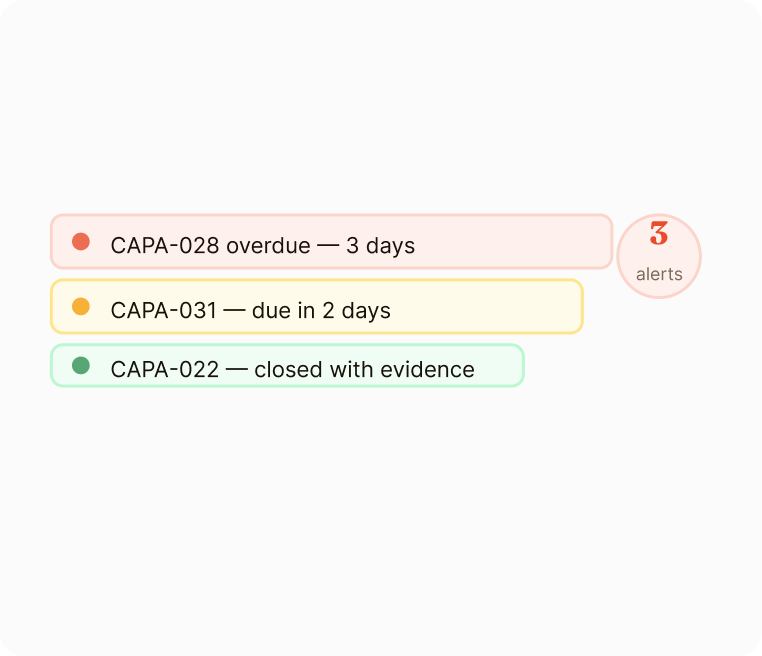
Automated Alert Management
CAPA alerts highlight overdue actions, open findings, and delayed resolution steps. Status indicators show investigation progress and corrective action completion across the lifecycle. Every action has a named CAPA owner, a due date, and automated escalation if it slips.
04 — KPI Dashboards
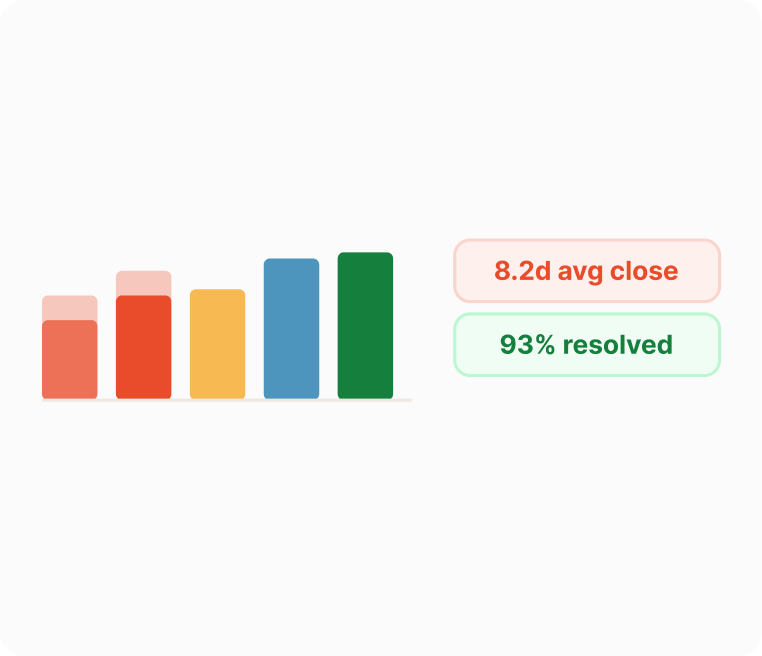
Dashboards and KPI Visibility
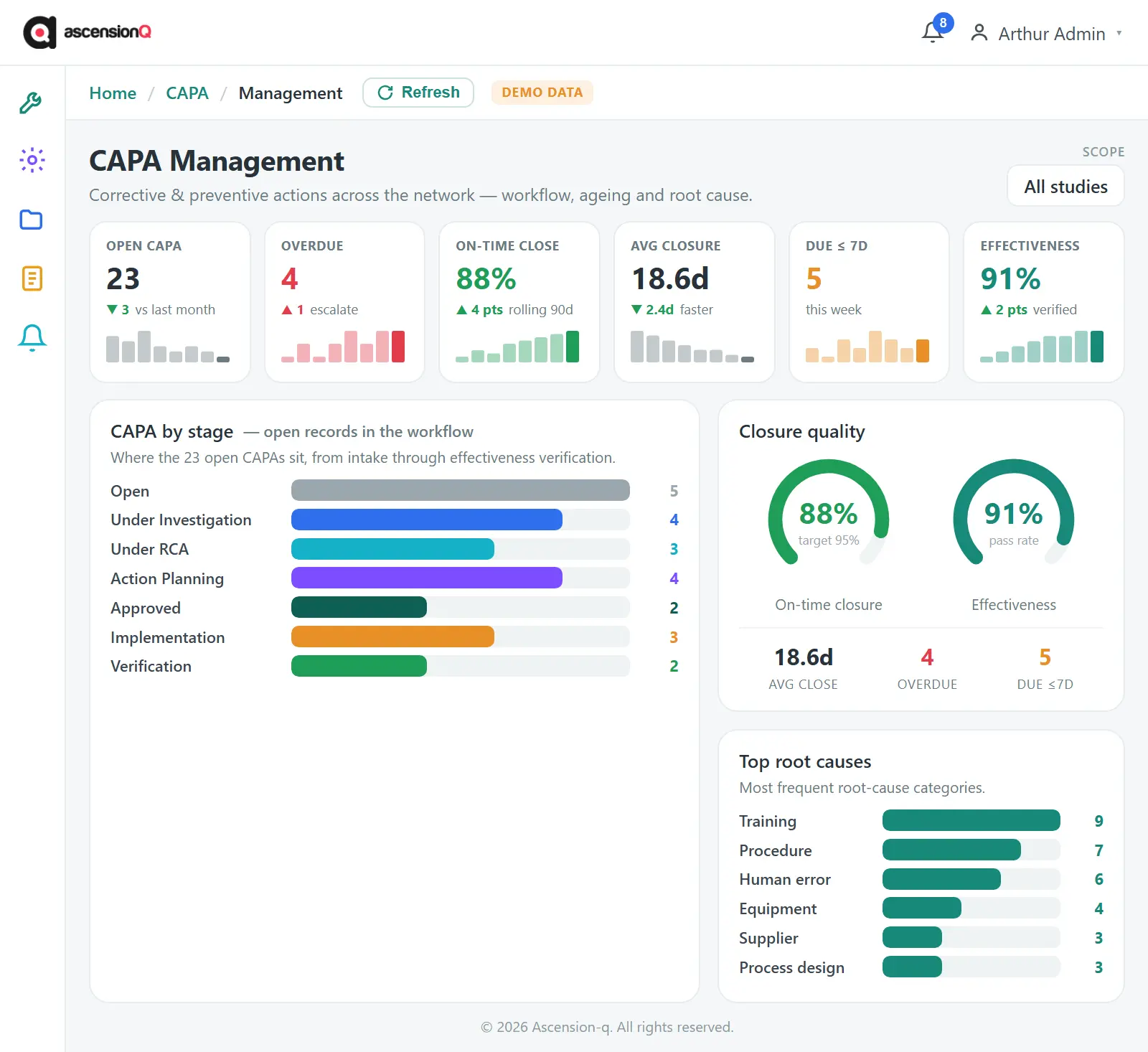
CAPA dashboards present issue status, resolution timelines, and action completion across research programmes. KPI indicators expose bottlenecks, recurring findings, and pressure points.
05 — TRACEABILITy
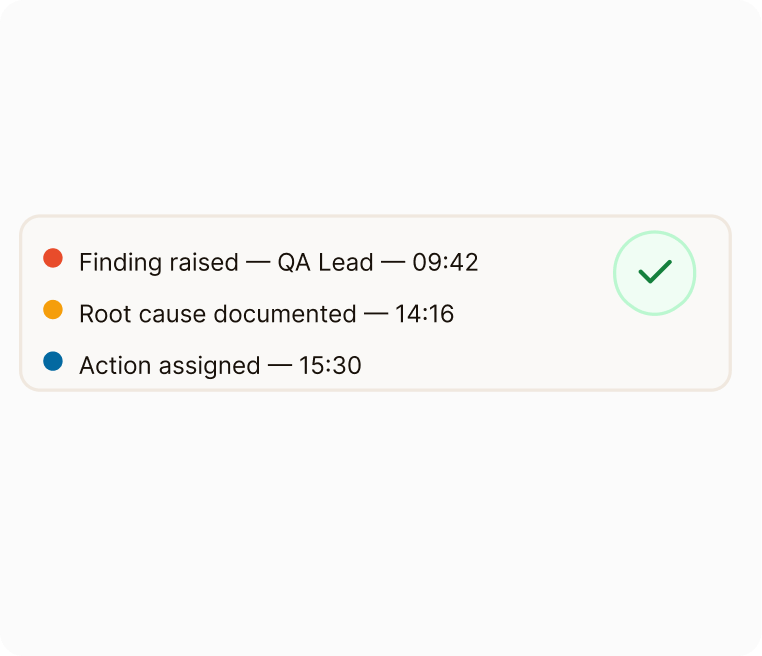
Audit Trail and Evidence Records
Each CAPA record maintains a traceable history of investigation activity, action decisions, and resolution updates. Evidence remains available for inspection, audit review, and governance oversight.
06 — Platform Integration
Integration Across the AQ Platform
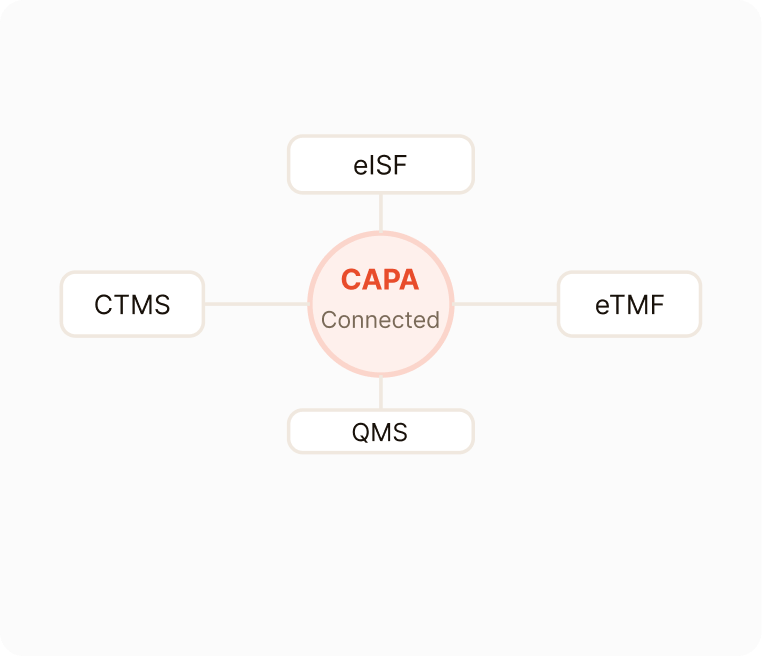
CAPA records stay connected to CTMS activity, eTMF documentation, eISF site oversight, and QMS governance. Every quality event — whether a monitoring finding, deviation, or audit observation — gets routed into CAPA with the source record linked. CAPA stops being a separate spreadsheet.
07 — LIFECYCLE MANAGEMENT
Finding to Resolution Workflow
Every CAPA follows the same five stages with structured evidence at each step. The closure that satisfies the inspector is the same closure that protects the next monitoring visit, the next sponsor qualification audit, and the next regulatory submission.
Built for Teams Responsible for Issue Resolution and Research Governance
Site quality teams managing multi-sponsor CAPAs
Site Quality Managers, Senior CRCs, and Site Directors handling CAPAs from multiple sponsors across multiple studies. Centralise the response, track the deadlines, and turn the closure record into a sponsor qualification asset.
Sponsor Quality Directors and ClinOps leadership
Quality Directors, Heads of GCP Quality, and VPs of Clinical Operations responding to 483 observations, internal audit findings, and CRO oversight. Inspection-grade CAPA management without a seven-month implementation.
CRO quality leadership across sponsors and studies
CRO Quality Directors managing CAPAs across dozens of sponsor programmes. Show every sponsor real-time CAPA status — in minutes, not days — with multi-sponsor data isolation built in.
Academic and hospital research quality teams
OCR Directors, Clinical Trials Office quality leads, and Research Compliance Officers managing both industry-sponsored CAPAs and IIT-self-identified quality events. Demonstrate institutional quality maturity to industry sponsors during site qualification
The CAPA system built for the gap between spreadsheets and enterprise QMS
Clinical research teams have had two choices: spreadsheets that fail the first inspection that tests them, or enterprise QMS suites with seven-month implementations priced for pharmaceutical manufacturers. AQ CAPA fills the gap — validated, fast to deploy, priced for clinical research budgets, and integrated with the rest of your trial operations.
Unified Platform
Architecture
AQ CAPA operates within the same environment as CTMS, eTMF, and eISF. CAPA records remain directly connected with study operations, site documentation, and trial oversight.
Structured CAPA
Record Model
CAPA records organise findings, investigation evidence, root cause analysis, corrective and preventive actions, and resolution documentation within one structured record.
Linked Research
Records
CAPA findings remain linked with protocol deviations, monitoring observations, audit findings, and quality events recorded across the research platform.
Regulatory-Ready
System Controls
CAPA records support investigation documentation, traceable action history, and auditable resolution evidence aligned with ICH- GCP principles and 21 CFR Part 11.
AQ Guides Your Team Through Setup, Configuration, and Adoption
AscensionQ supports research teams through the eISF platform’s setup, configuration, and onboarding — with 20 years of experience in clinical research data management.
Review
Fit Assessment
Setup
Support
See How AQ CAPA Strengthens Issue Resolution Across Clinical Research
In a 30-minute walkthrough we’ll show:
- how AQ CAPA structures the full CAPA lifecycle from finding to closure;
- how it connects with eISF, CTMS, eTMF, and QMS;
- the implementation path — live in 3–4 weeks with your existing open CAPAs migrated in.
BOOK A DEMO
Request a Guided AQ Tour
Practical walkthroughs aligned with active research delivery.
We’ll only use your details to arrange your demo and
send relevant AQ updates. No spam.
Here is what our Clients are saying About us


It was a very good experience
This has revolutionised the way we work and improved efficiencies and study compliance reducing admin time spent sending reminders.
– Angie H.
Research Nurse
Key Questions Beyond Software Features
What is CAPA (corrective and preventive action) in clinical research?
CAPA, corrective and preventive action, is the controlled process for resolving deviations, incidents and findings, from root cause through to verified closure. AQ CAPA gives every finding a named owner, a due date, a resolution record and connected evidence across active studies, so issues are resolved and proven, not just logged and forgotten.
How does AQ CAPA manage deviations from finding to closure?
AQ CAPA structures the full lifecycle: finding, investigation, root cause, corrective and preventive actions, follow-through, evidence and closure. Each step carries an owner, timeline and supporting evidence, so closed means one thing the whole team can prove. Open actions and overdue items stay visible rather than drifting across spreadsheets and meeting notes.
How does AQ CAPA connect to QMS, the eTMF and the wider study record?
AQ CAPA links findings to the QMS, eTMF, eISF and study activity on one record, so issues arrive with study context already attached. A document gap, quality event or monitoring finding flows straight into CAPA with its owner and evidence. Resolved-issue state feeds back into quality governance and audit oversight.
How does AQ CAPA support root cause analysis and prevent repeat issues?
AQ CAPA records root cause and preventive actions, not just the immediate fix, and surfaces recurring issues through quality reporting. Teams see patterns across studies and sites before the same finding resurfaces, so multi-site programmes act on trends rather than discovering them in hindsight at the next inspection.
How does AQ CAPA support audit and inspection readiness?
CAPA is one of the first records reviewers pull and a common inspection finding, so weak resolution evidence carries real exposure. AQ CAPA maintains a complete audit trail of findings, actions, ownership and closure, with exportable evidence designed to support MHRA, sponsor and internal review. Resolution evidence stays current rather than reconstructed under pressure.